


I'm Manuel Saez, a product executive, builder, and two-time founder. I write about leadership, decision-making, self-awareness, and what I’ve learned building products, teams, and businesses.
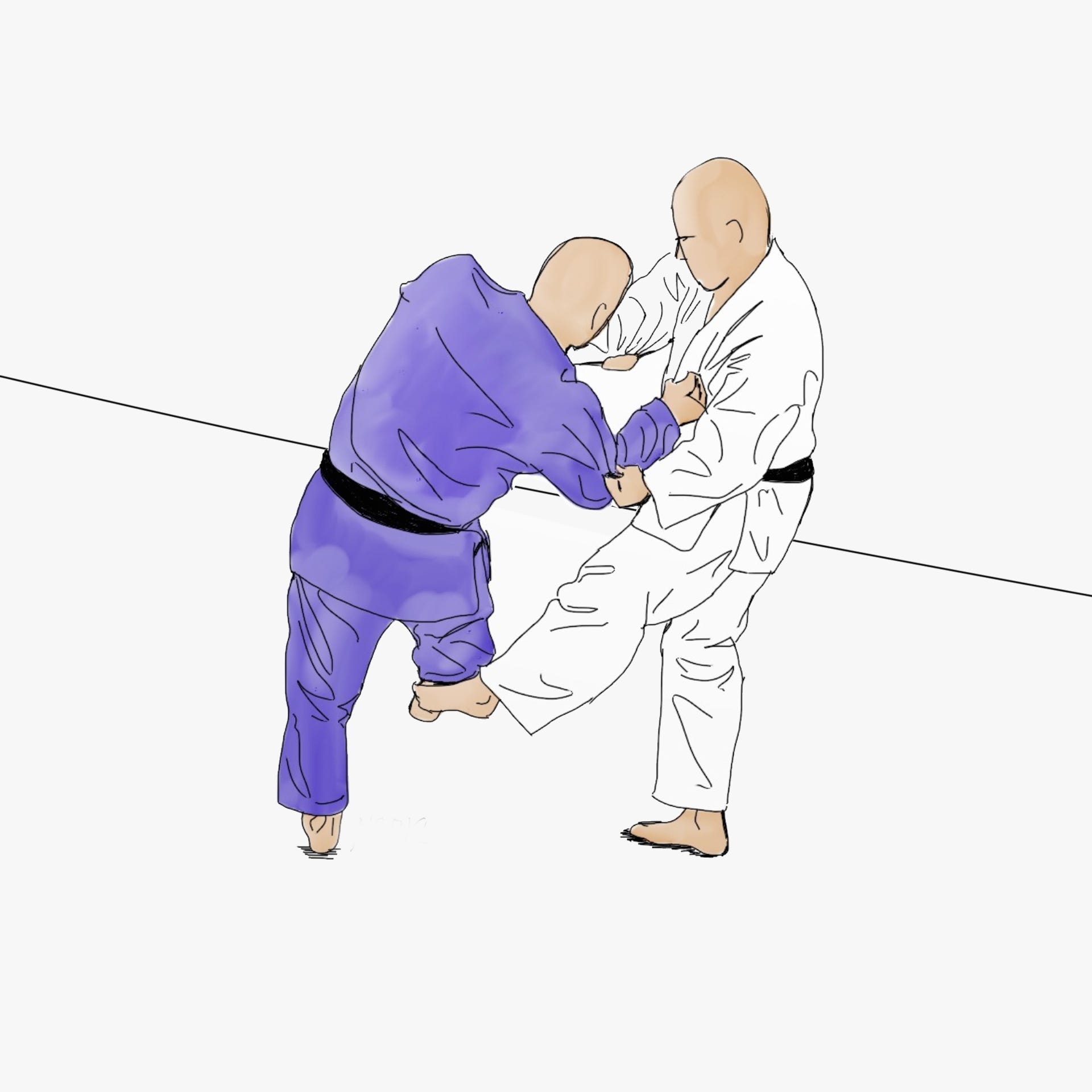
My dad once taught me de-ashi-harai, a judo move that uses your opponent’s momentum against them.
When we practiced, I was amazed that I could take down people much bigger than me without trying to overpower them.
Acceptance feels a little like that.
Instead of fighting a problem head-on, I stop resisting what is already true and use that shift to find a better way forward.
Manuel,
Sometimes you push so hard against a problem that you miss the simpler path.
Sometimes things do not go your way, and you respond with anger, frustration, or resentment. Then the problem starts taking up even more space than it deserves.
What I have learned is that acceptance can break that cycle.
The situation may not change immediately.
But when I stop fighting reality, I usually see it more clearly.
And once I see it clearly, I can decide what to do next.
So the next time you catch yourself pushing against something you cannot change, remember de-ashi-harai.
Do not waste all your energy fighting the force.
Use it.
What Acceptance Looks Like to Me
Acceptance is easiest for me to understand through simple situations.
Imagine planning a day at the beach with friends and waking up to heavy rain.
My first reaction might be frustration.
I had a plan. I was looking forward to it. Now the day is not going the way I wanted.
That is usually the moment when resistance starts.
I can spend the next few hours wishing the weather were different, complaining about it, and letting the disappointment define the day.
Or I can accept one simple fact:
It is raining.
Acceptance does not mean I suddenly love the rain.
It means I stop arguing with reality.
Once I do that, I have more room to see what is still possible.
Maybe I notice the smell of wet earth and remember camping as a kid, lying inside a tent and listening to the rain hit the tarp.
Maybe I decide to go outside anyway.
Maybe the day turns into something completely different from what I planned and is still good.
That is what acceptance does for me.
It does not change what happened.
It changes the amount of energy I spend resisting it.
And when that resistance drops, I can usually see the situation more clearly and decide what to do next.
Acceptance is not giving up control.
It is recognizing where I never had control in the first place.

Acceptance Is Not Giving Up
I used to think acceptance meant surrender.
Now I see it differently.
Quitting is deciding to stop. Acceptance is recognizing what is true so I can respond to it more intelligently.
If something is not working, accepting that fact does not mean I am okay with it or that I will not try to change it. It simply means I stop wasting energy arguing with reality.
That distinction matters.
Once I accept the situation, I can separate what is under my control from what is not. I can decide where to put my attention, what needs to change, and what I may need to let go.
That brings me back to the judo metaphor.
In judo, I do not need to overpower the other person. I can use their movement and momentum to create an advantage.
Acceptance works in a similar way for me. Instead of fighting the situation as I wish it were, I work with the situation as it is.
Sometimes that means adjusting the plan.
Sometimes it means changing direction.
Sometimes it means letting go of something that is no longer working.
None of those are signs of weakness.
They are often the more practical way forward.
Why Acceptance Is Hard
Acceptance is difficult because it often requires me to give up the illusion of control.
I like to believe that effort, discipline, and good decisions can shape the outcome.
Often they can.
But not always.
Markets change. People change. Plans fail. Circumstances move in directions I did not choose.
Accepting that can be uncomfortable because it forces me to face the limits of what I can influence.
It can also force me to confront loss.
A plan I believed in may no longer work. A goal may need to change. A relationship may not become what I hoped. A business idea may not have the future I imagined.
That can feel like failure even when the smarter move is to adapt.
I have felt this especially strongly as a founder.
Entrepreneurship rewards persistence, and there is a lot of cultural pressure around never giving up. That can be useful, but it can also make it harder to recognize when persistence has turned into stubbornness.
I have had to learn that changing direction is not always quitting.
Sometimes it is the clearest sign that I am finally seeing the situation for what it is.
Acceptance takes patience because my emotions do not always catch up with reality immediately.
I may understand intellectually that something has changed and still feel angry, disappointed, or resistant.
That is part of the process.
For me, acceptance starts when I stop asking reality to be different and begin asking what I can do with what is actually here.
What Changes When I Stop Fighting
One of the clearest things I notice about acceptance is the change in my energy.
When I am fighting reality, I feel tense, frustrated, and mentally stuck. I keep replaying the problem and wishing the situation were different.
That resistance drains me.
It also makes it harder to think clearly.
When I accept what is happening, the situation itself may not change, but my relationship with it does. The tension starts to ease, and I can see more clearly what is still under my control.
That is where the shift happens for me.
I stop spending energy on what I cannot change and start putting it toward what I can do next.
I used to explain this in more spiritual terms, as if acceptance changed the energy I was putting into the universe.
I still believe my internal state affects what happens around me, but I now think about it in a more practical way.
When I am calmer, I make better decisions.
When I am less defensive, I listen better.
When I am not consumed by frustration, I notice options I could not see before.
Acceptance does not magically change reality.
It changes the state from which I respond to it.
And sometimes that is enough to change what happens next.

What I’ve Learned
Acceptance has become one of the most useful tools in my life.
It does not mean giving up.
It means seeing the situation clearly enough to stop wasting energy fighting what is already true.
That is why I keep coming back to the judo metaphor.
When I resist everything head-on, I usually get tired and stuck.
When I accept what is happening, I can work with it.
I can see what is still under my control, what needs to change, and where there may be another path forward.
That does not make difficult situations easy.
It just helps me respond to them from a better place.
For me, acceptance is not weakness.
It is a way of using less force and more awareness.
Sometimes that is what allows me to move forward.
Sending you good vibes 🌻
Manuel